



Maria is an excellent executive coach. She guides you in how to identify your core leadership and management skills and improve them for your future professional endeavors and provides you with tools to help you improve those skills and abilities. Great coach!
High-Performance Leaders and Teams for a Changing World
Leadership & executive coaching that helps senior leaders sharpen strategic thinking, deepen presence, and build teams that thrive under complexity.

Leadership & Executive Coaching
Supporting senior leaders in enhancing strategic thinking, leadership presence, emotional intelligence, and their ability to lead high-performing teams in fast-changing environments.

Growth Mindset Leadership: Elevating People & Culture
The Transformation Leadership Program is a fully immersive, 360° experience that transforms leaders, teams, and organizations through motivation, empowerment, accountability, and collaboration—integrating workshops, coaching, peer learning, real-work application, and diagnostics to drive sustainable behavioural change.

Learning & Development Programs
Delivering practical, high-impact training with over 5,000 hours of facilitation experience — equipping leaders and teams with skills to collaborate, innovate, and navigate VUCA challenges.

Team Effectiveness & Culture Transformation
Helping organizations build effective virtual and multicultural teams, resolve conflict, strengthen communication, and embed systems that motivate, empower, and accelerate performance.

Connecting businesses, people & ideas for the future.
Improvement statistics
Executive Coaching Program — delivering leadership growth and measurable impact.
0Greater openness to new ideas
0Impact on self-awareness
0Satisfaction with goal-focused coaching
Growth Mindset Leadership Transformation Program
This program combines coaching and training to drive measurable improvements in leadership and team performance. Agility increases, with more participants open to new ideas. Collaboration strengthens, and teams begin breaking down silos. Belief in personal growth and potential rises significantly, alongside positive shifts in growth mindset scores.

Leadership Growth Focus Areas
- Strategic thinking & decision-making
- Leadership presence & communication
- Emotional Intelligence and Resilience
- Conflict Resolution
- Creative Leadership
- Communication and collaboration
- Mastering stress and promoting wellness
- Develop and manage Teams







An MCC coach helping leaders lead with confidence and impact.

Maria creates a safe, trusting environment where leaders and teams can challenge their thinking, expand their awareness, and grow into more effective versions of themselves. Her approach integrates multiple assessment tools to enhance clarity, define coaching goals, and ensure long-term sustainable change.
She is particularly effective with executives who want to strengthen strategic thinking, enhance leadership presence, and communicate their vision more effectively—building high-performance teams, improving emotional intelligence, resolving conflict, fostering collaboration, and driving greater innovation and creativity within their organizations.
About Maria
Trusted By Global Leaders
Partnering with multinational corporations, government entities, and fast-growing organizations.
- London Business School
- BTS
- Center for Creative Leadership — CCL
- ecap
- TPC Leadership
Helping CEOs, senior leaders, emerging leaders and teams elevate their capabilities and navigate complexity with confidence.
Get in touch to find out more
About
Maria blends data-driven insight with deep human understanding.
A Master Certified Coach (MCC), accredited by the International Coach Federation (ICF)—a distinction held by only 5% of coaches worldwide.

She brings over 25 years of corporate and consulting experience, having held senior regional and global leadership roles in international organizations. Her career includes positions such as Managing Partner at ecap; Group Head of Organizational, Learning & Talent Development at J&P; Global HR Director at Vision; and EEMEA Training & Development Manager at Nielsen. She has also led Talent Acquisition for NCR across the MEA region and served as an Executive Leadership Trainer and Mentor at PwC.
Maria holds a Bachelor's degree in Statistics and Insurance Studies from the University of Piraeus, a Postgraduate Diploma in Management from MIM, and a Master's degree in Human Resource Management from Middlesex University.
Experience that compounds
0Coaching hours with executives and senior leaders
0Training hours across leadership, performance & culture programs
0Years of corporate & consulting experience
0Assessment tools certified, incl. Hogan & 360°
0Of coaches worldwide hold the MCC credential
Maria partners with her clients to translate assessment insights into clear, actionable strategies. She supports leaders in designing and implementing targeted development plans while navigating complex business, leadership, and interpersonal challenges. Through a personal, supportive, and results-focused approach, she helps leaders gain fresh perspectives, take impactful action, and deliver meaningful and sustainable business outcomes.
She is certified in more than 10 assessment tools, including Hogan and other personality and 360° diagnostic frameworks—providing deep insight into leadership effectiveness, influencing skills, growth mindset, change management, networking dynamics, and personality drivers at both individual and team levels.
In addition, Maria has developed her own proprietary tools to support leadership development in areas such as leadership presence, authentic leadership, strategic network mapping, managing emotional triggers, and promoting wellbeing and resilience—designed to deepen self-awareness, strengthen impact, and support sustainable leadership performance.
Her coaching & development approach is grounded in
1
Growth Mindset frameworks
Empowering leaders to adopt a mindset that drives learning, resilience, and high performance.
2
Behavioral assessments
Providing insights to understand strengths, gaps, and development opportunities.
3
Evaluating impact
Post coaching engagement, impact and effectiveness is measured.
4
Leadership development tools
Equipping leaders with strategies and frameworks to enhance performance and influence.
5
Cross-cultural communication
Helping teams navigate diverse environments and communicate effectively across cultures.
6
Practical, real-world application
Translating insights and learning into actionable results in everyday leadership.
How we can work together
1
Executive & Leadership Coaching
One-to-one coaching for C-level executives, Managing Partners, and senior leaders—focusing on Growth Mindset, leadership presence, resilience, and emotional intelligence, with tailored plans to unlock potential and drive performance.
2
Team & Group Coaching
Facilitating high-performing teams across private, public, and non-profit sectors to enhance collaboration, break down silos, and foster interdependent cultures—driving sustainable mindset and cultural transformation.
3
Leadership & Cultural Transformation
Programs guiding leaders and organizations in navigating VUCA environments, embedding Growth Mindset principles, and aligning HR and talent strategies with business goals.
4
Assessments
In-depth debriefs of assessments to uncover strengths and development areas, enabling personalized development plans that drive individual and organizational success.
5
Learning & Development Programs
Workshops and training in leadership, trust, emotional intelligence, resilience, cross-cultural communication, and virtual team effectiveness—with practical, real-world application.
6
Strategic Advisory Services
Aligning HR and organizational strategies with broader business objectives, and providing mentoring and consulting to achieve sustainable growth and high performance.
Client reflections
What leaders say about working with Maria
Blog

Inside High-Performing Teams
What the journey to Ithaca taught me about accountability, recovery, and conflict.
Read article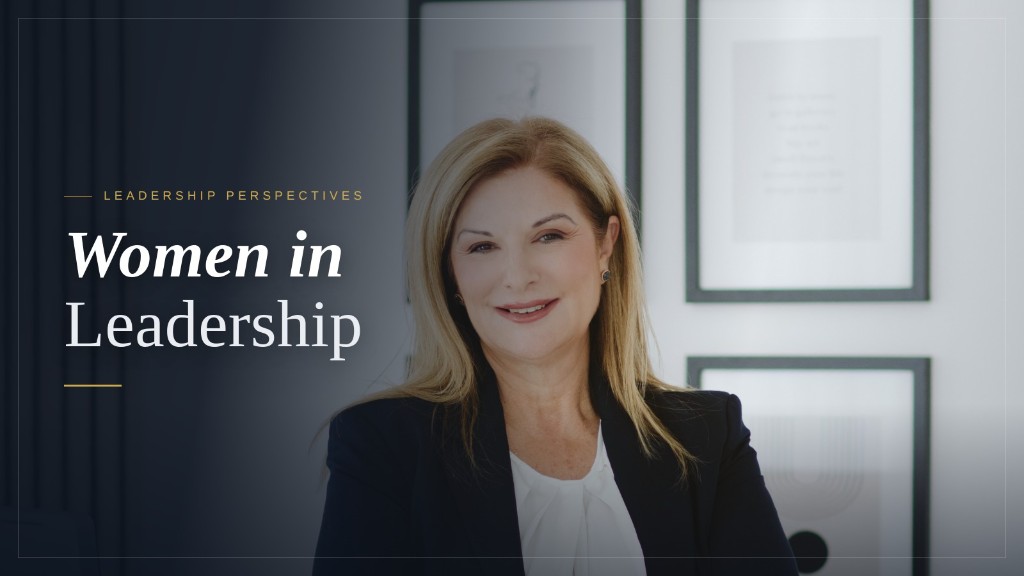
Women in Leadership: From Representation to Real Influence

Pause. Reflect. Reset.

The Mindset of Modern Leadership

Confidence in Leadership
From Programs to Transformation: The Next Chapter of Leadership Development

Trust: The Invisible Currency That Holds Everything Together
Leadership Presence: How Leaders Show Up When It Matters Most

Reflect, Appreciate, and Lead: Start the Year with Intention
Media
Conversations on leadership, mindset & growth
 Episode 01
Episode 01
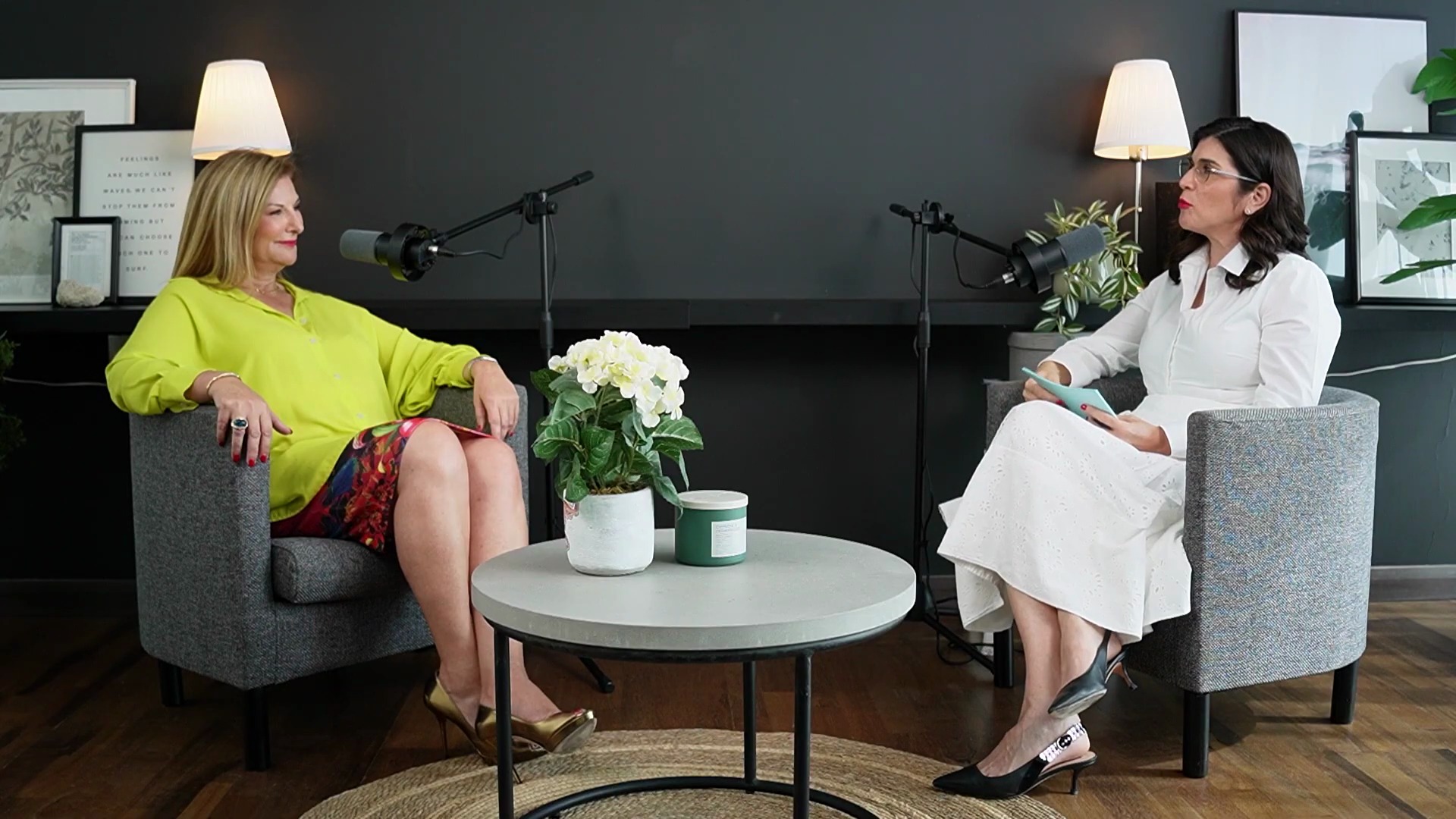
From Programs to Transformation: The Next Chapter of Leadership Development
Why leadership development must evolve from isolated programs into a continuous, embedded capability — and why coaching, not curricula, is what truly transforms leaders in the age of AI.
Watch on YouTube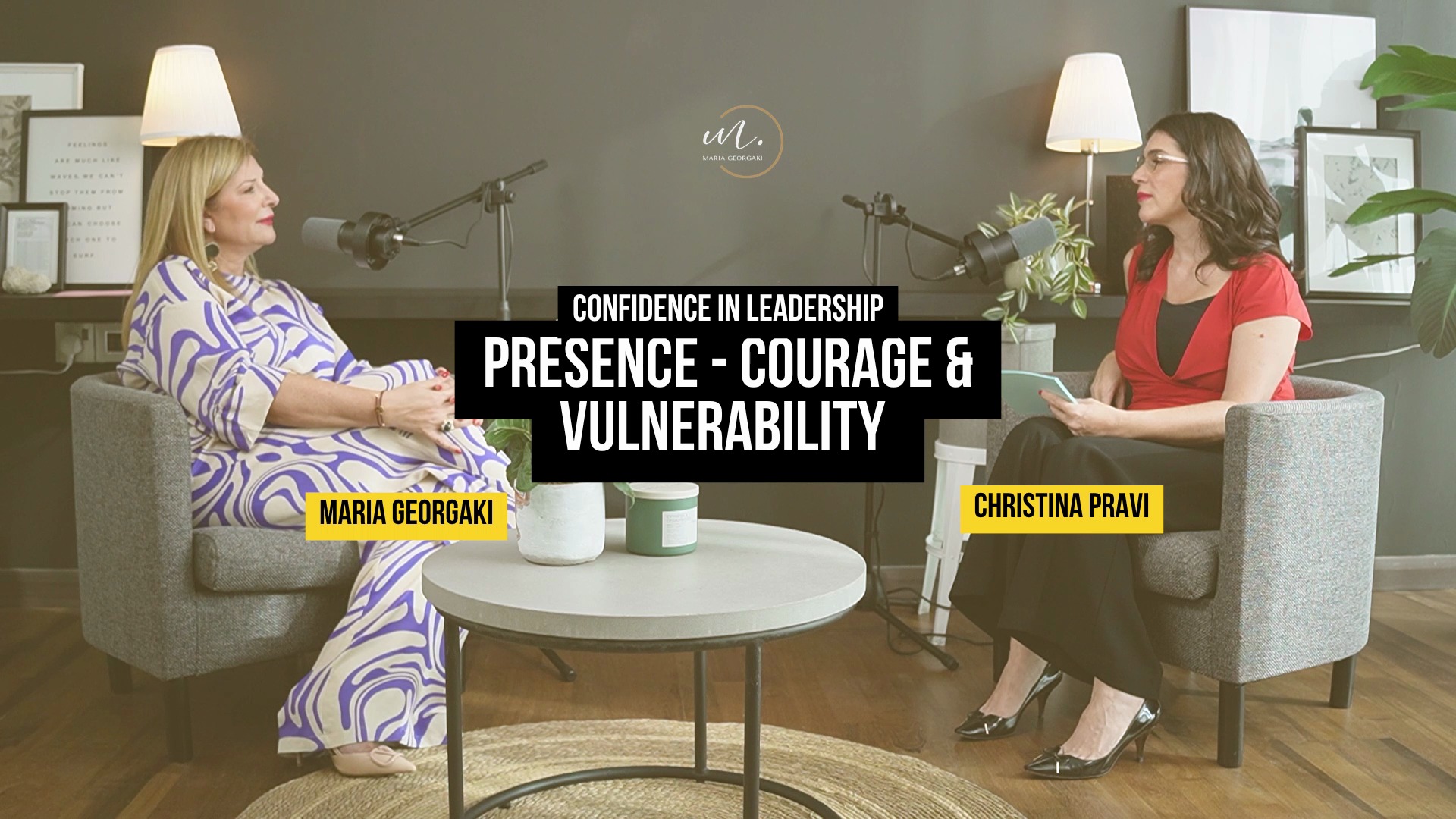 Episode 02
Episode 02
Confidence in Leadership: Presence, Courage & Vulnerability
Redefining confidence as presence, courage and self-trust rather than certainty or charisma — and how quietly confident leaders create the psychological safety their teams need to thrive.
Watch on YouTube Episode 03
Episode 03
The Mindset of Modern Leadership
The five mindset shifts that separate modern leaders from experts — moving from having all the answers to creating the conditions where the best answers emerge together.
Watch on YouTube Interview
Healthcare Leadership
Leadership Transformation in Healthcare in Emerging Markets
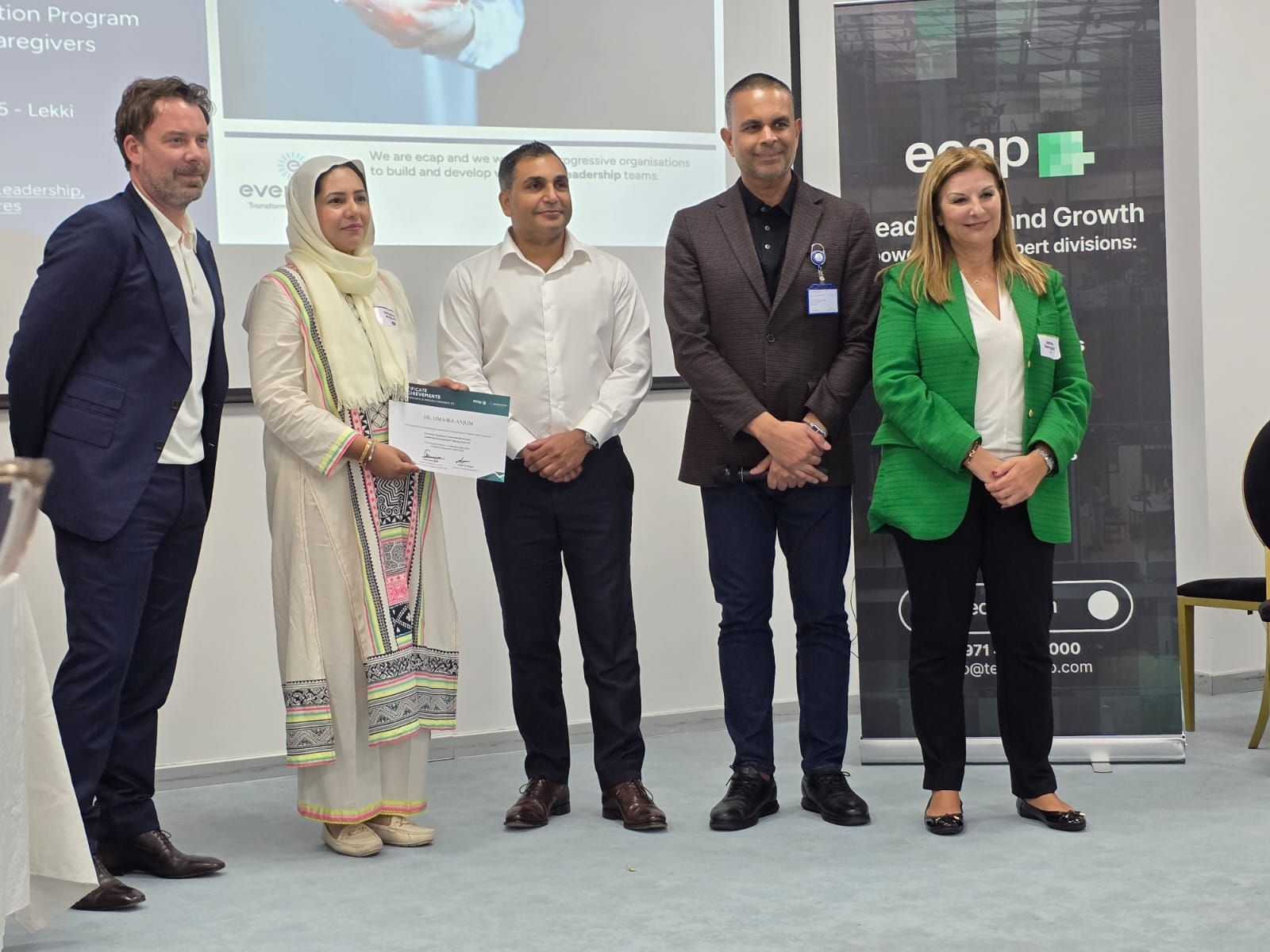
Watch Maria interview Irfan Khan, the CEO of Evercare, about leading transformation in healthcare across emerging markets — and what it takes to build high-performing leadership in complex environments.
Watch on Vimeo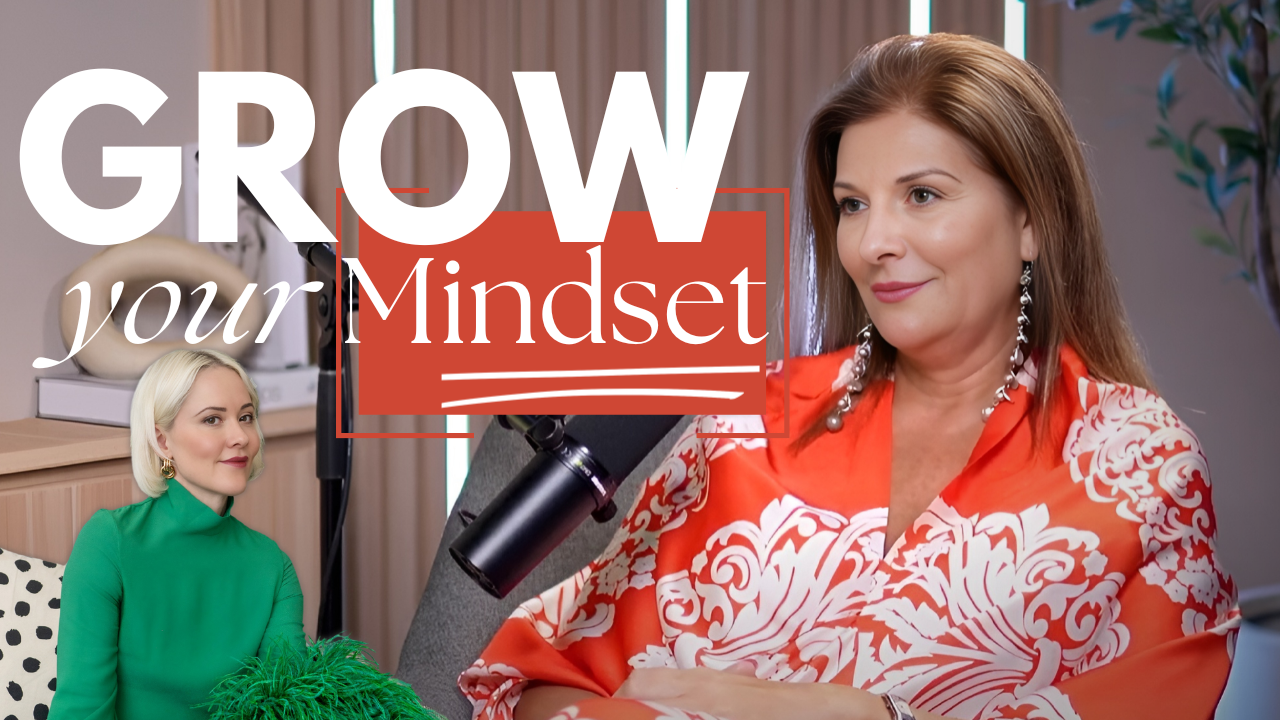 Podcast
About Maria's Journey
Maria's Coaching Journey, with Elin Mai
Hear Maria in conversation with Elin Mai on the Coaching Conversations podcast, as she discusses her career, coaching approach, and much more.
Watch on YouTubeInside High-Performing Teams
What the journey to Ithaca taught me about accountability, recovery, and conflict.
I read the Odyssey the way every Greek kid reads it. It took me years, and a lot of teams, to notice I'd been handed a management text and told it was literature.
The Odyssey isn't a story about a hero. It's a story about a team, twelve ships, hundreds of men, and almost all of them die. Odysseus is the only member of his crew who reaches Ithaca. So the interesting question isn't how he got home. It's why didn't they?
Accountability is what happens while the manager is asleep
Aiolos gives Odysseus a bag holding every wind but the one that will blow him home. Nine days of clean sailing. On the tenth, Ithaca is close enough to see the fires on the shore, and Odysseus, who has steered the whole way himself, falls asleep. The crew, who have spent nine days muttering that the bag must be gold he's hoarding, open it. They are blown all the way back.
The failure wasn't opening the bag.
The failure was nine days of muttering.
Nobody said to his face: we've watched you guard that bag and refuse to explain it, and it's poisoning the crew.
And he never said what was in it. The gap and the silence compounded until the only move left was sabotage.
The best teams I've worked with don't hold the standard through the manager. They hold it through whoever notices first: someone posts, “that went out without a review — was that deliberate?” the same day, in the open; a new joiner says the runbook is wrong and nobody answers, “yeah, we know”; the most senior person is corrected in front of everyone and thanks the person who did it.
Three things that make that possible
- Name the standard, not the person. “We agreed every deploy gets a rollback note; this one doesn't” is about the team's bar. “You forgot again” is about someone's character.
- Within 48 hours, or let it go. Feedback that surfaces at the quarterly review isn't accountability, it's an ambush. Say it while it's still boring.
- Explain the bag. If you're holding something you can't share yet, say that you're holding it and when you'll open it. “I can't tell you why yet; I can on the 14th” is an answer. Silence is an invitation to invent one.
Bad quarters are survived as a unit, or not at all
Twelve ships sail into the harbour of the Laistrygonians — sheltered, calm, an easy mooring. Odysseus, for reasons the poem never explains, ties up outside. Giants crush the other eleven with boulders.
That's a bad quarter. What he does next is the part worth stealing. At the Phaeacian court he tells the whole story out loud, to strangers who could use it against him, and includes the part where he was the problem: after blinding the Cyclops he couldn't resist shouting his real name across the water, out of vanity, which is exactly how Poseidon learned whose ships to hunt for the next decade. He doesn't blame the crew. And when he later washes up alone with nothing, he doesn't wait for a new ship — he builds a raft from what's on the beach.
Three things that make a team come back stronger
- The leader goes first, with a real error. Not “I was too ambitious.”
- Converge on one story. If three people tell a new joiner three different versions of what went wrong, the team hasn't recovered — it has just stopped talking about it. And watch for the person who has privately decided it was all their fault; name their actual part, then explicitly close it.
- Ask what made the harbour look safe — not who decided to sail in. Every disaster looked like a good idea at the time. The lesson is in whatever made it look obvious.
Conflict isn't the red flag. Silence is.
While Odysseus is away, 108 suitors move into his house and eat it for years. Nobody fights them. Penelope weaves and unpicks. Telemachus says nothing. Laertes has withdrawn to a farm rather than watch. The household is almost entirely free of open conflict, and it is being consumed.
The turning point of the poem isn't a battle. When Telemachus calls the first assembly Ithaca has held in twenty years and says out loud what everyone already knows. He loses the argument. The suitors laugh. Nothing changes that day, and it's the beginning of everything, because the thing was finally said in the room.
Silence isn't peace. It's the same cost, paid where you can't see it.
In the attrition. In the engineer who has stopped arguing in design review and just builds what they're told. In the “sure, sounds good” that means nothing.
Three things that make disagreement productive
- Separate “is this the right call?” from “who gets to decide?” Most ugly conflict is people arguing the first while actually upset about the second. Say which one you're on, and put a name on every decision.
- Watch where the real discussion happens. Not whether people argue, but whether they argue in the meeting or in DMs twenty minutes after it. If the real design review happens in private, the design review is theatre.
- Bind yourself to the mast. Odysseus knew he'd want to steer into the rocks, so he set the rule before the moment: plug your ears, tie me down, ignore what I shout. Agree your escalation trigger and your stop-and-replan threshold while everyone is calm — because in the moment, you won't be.
The island is not the reward
Every Greek child also learns Cavafy's Ithaka, usually too young to understand it. The poem's argument is that the island was never the prize: Ithaca is what made you set out, she gave you the voyage, and if you arrive to find her poor, she hasn't cheated you.
Uncomfortable to hold next to a roadmap. Probably right. You don't remember the quarter you hit 104% of target. You remember whether people told each other the truth, whether you came back from the bad harbours together or one at a time, whether anyone ever said the thing out loud.
You're not building the roadmap. You're building the crew that gets to the next one.
Women in Leadership: From Representation to Real Influence
Women don't simply need a seat at the table. They need the confidence, opportunity and organizational culture to influence what happens around it.
Female leadership is no longer only a diversity conversation. It is a business, leadership and culture conversation.
Yet despite significant progress, women remain underrepresented at senior levels.
According to McKinsey’s Women in the Workplace 2025, women represent 49% of entry-level employees, but only 29% of C-suite leaders. Perhaps even more significant is what happens early in the leadership pipeline: for every 100 men promoted to manager, only 93 women receive the same promotion.
Globally, the picture is similar. The World Economic Forum reported that women represent 41.2% of the global workforce but only 28.8% of top leadership positions. At the current pace, the global gender gap remains more than a century away from being fully closed.
Across publicly listed companies in the GCC, women hold approximately 7% of board positions in 2026. The UAE leads the region at 15%, followed by Bahrain at 10.5% and Oman at 7%. The UAE's progress is particularly encouraging, with female board representation increasing from approximately 3.5% in 2020 to 15% today.
The direction is positive. But the numbers also tell us there is much more to do.
The question is no longer simply:
"How do we get more women into leadership?"
We should also be asking:
"What needs to change in our mindsets and organizational cultures for women to thrive, influence and progress as leaders?"
Why Female Leadership Matters
Leadership teams make better decisions when they have access to different experiences, perspectives and ways of thinking.
Gender diversity can help organizations challenge groupthink, understand a broader range of customers and employees, strengthen innovation and bring different perspectives into strategic decision-making.
But representation alone is not inclusion.
Having women in senior positions does not automatically mean their voices are equally heard or that they have equal access to opportunities.
Diversity gets women into the room. Inclusion gives them a voice. Culture determines whether that voice has influence.
This is where the real transformation begins.
From Representation to a Mindset & Culture Shift
Organizations can recruit and promote more women, but sustainable change requires a deeper shift.
We need to move from fixing women to examining the system.
Women should certainly continue developing their confidence, leadership presence, strategic thinking and influence. At the same time, organizations need to examine who receives high-profile assignments, who gets promoted, who has access to senior decision-makers and who receives sponsorship.
We also need to move beyond one traditional definition of leadership.
Effective leadership does not always mean being the loudest or most dominant person in the room. Empathy, listening, curiosity, collaboration and emotional intelligence can coexist with courage, decisiveness, accountability and commercial focus.
Most importantly, women themselves can benefit from adopting a growth mindset toward leadership.
Instead of asking:
"Am I completely ready for this?"
Ask:
"What can I learn by taking this opportunity?"
What Can Hold Women Back?
Through my work with leaders, I often see highly capable women facing several recurring challenges.
They may underestimate their capabilities, waiting until they feel completely ready before pursuing the next opportunity.
They may focus strongly on delivering excellent work but invest less in visibility, networking and communicating their impact.
Perfectionism can become another barrier, making it difficult to delegate, experiment or take risks.
Many women also struggle to establish boundaries, particularly when they feel responsible for supporting everyone around them.
And some feel pressure to adapt to traditional leadership behaviours rather than developing their own authentic leadership identity.
The answer is not to teach women to lead like men.
The opportunity is to empower women to lead powerfully as themselves.
6 Leadership Shifts Women Can Start Today
1. Don't wait until you feel 100% ready.
Confidence often develops through experience. Take the assignment, have the conversation and put yourself forward.
2. Build confidence through evidence.
Keep track of achievements, feedback, challenges overcome and the impact you have created. When self-doubt appears, challenge it with evidence.
3. Strengthen your leadership presence.
Speak earlier in meetings. Communicate clearly. Ask powerful questions. Share recommendations, not only information.
4. Increase your visibility.
Excellent work matters, but don't assume it will always speak for itself. Build relationships, contribute to strategic conversations and make your impact visible.
5. Find sponsors, not only mentors.
Mentors advise you. Sponsors advocate for you when you are not in the room. Build relationships with leaders who understand your capabilities and ambitions.
6. Set boundaries, delegate and lift others.
Leadership is not about doing everything yourself. Delegation creates space for you to become more strategic while developing others. And as you progress, create opportunities for other women to progress too.
Women Cannot Change the Culture Alone
Female leadership should never become a conversation about what women need to "fix" about themselves.
Organizations have an equally important responsibility.
They need to examine promotion decisions, succession pipelines, access to strategic opportunities, flexibility, sponsorship, unconscious assumptions and leadership behaviours.
And male leaders have an important role to play as allies and sponsors—not because women need to be rescued, but because sustainable cultural change requires the participation of everyone.
Women's leadership programs can create powerful development opportunities. But genuine transformation happens when the learning is supported by the organization's everyday culture.
From a Seat at the Table to Real Influence
The future of female leadership is not simply about achieving a percentage.
It is about creating organizations where women can lead authentically, influence decisions, take strategic risks, progress into senior roles and open doors for the next generation of leaders.
Women need opportunities.
Women need visibility.
Women need sponsorship.
Women need confidence.
But organizations also need the courage to challenge the systems and assumptions that determine who gets to lead.
Perhaps the most important shift is this:
Don't ask women to fit into the existing leadership culture. Create a leadership culture strong enough to benefit from their differences.
And for every woman considering her next leadership step, one question may be worth asking:
What would you do differently if you stopped asking whether you were ready and started asking what you could become?

Pause. Reflect. Reset. The Leadership Advantage
In today's business landscape, speed is often celebrated as the ultimate competitive advantage. Leaders are expected to make rapid decisions, respond instantly to change, and keep organizations moving forward. But the reality is that effective leadership is not about reacting faster—it's about responding better.
This is where the simple yet powerful practice of Pause. Reflect. Reset. becomes a leadership advantage.
Why It Matters
Every day, leaders make countless decisions that influence people, performance, and organizational outcomes. Yet research suggests that many of these decisions are made under pressure rather than with intention.
According to McKinsey's State of Organizations 2026, leaders who identify themselves as more reflective are more confident in their organization's ability to adapt to change. The report found that 42% of respondents associate human-centric leadership with better decision-making, while 40% link it to greater organizational adaptability and resilience.
In another McKinsey study, leaders reported spending more than 30% of their working time making decisions, yet 61% believed much of that time was used ineffectively.
These findings reinforce an important leadership lesson: improving the quality of our thinking can have a greater impact than simply increasing the speed of our actions.
Pause: Create Space Before You Respond
A pause is not a delay—it's a deliberate leadership choice.
Whether facing a difficult conversation, a strategic decision, or an unexpected crisis, taking even a brief moment to pause helps interrupt automatic reactions and creates space for thoughtful responses.
When we pause, we shift from operating on autopilot to leading with intention.
Some of the best leadership decisions are made not because leaders acted immediately, but because they created enough space to think clearly before acting.
Reflect: Turn Experience into Insight
Experience alone doesn't create better leaders. Reflection does.
Reflection helps leaders move beyond asking, "What happened?" to exploring:
- What worked well?
- What assumptions influenced my decision?
- What did I overlook?
- What can I do differently next time?
Organizations that intentionally build reflection into their culture create stronger learning loops, improve collaboration, and become more adaptable during periods of uncertainty.
"We do not learn from experience... we learn from reflecting on experience." — John Dewey

Reset: Move Forward with Purpose
Reflection without action creates awareness. Reflection followed by action creates transformation.
Resetting means consciously letting go of habits, assumptions, or ways of working that no longer serve you or your team.
Sometimes the reset is strategic. Sometimes it's behavioural. Sometimes it's simply choosing to listen before speaking.
A reset is not about starting over—it is about starting smarter.
A Practical Tool: The 3R Leadership Reset
One of the simplest ways to embed this mindset into your daily leadership practice is through the 3R Leadership Reset. It takes less than five minutes.
1. Pause (1 minute)
Take three slow breaths and ask yourself:
- What really needs my attention right now?
- Am I reacting or responding?
2. Reflect (3 minutes)
Consider:
- What facts do I know?
- What assumptions am I making?
- What outcome am I trying to create?
- What impact will this decision have on others?
3. Reset (1 minute)
Decide on one intentional action. Ask yourself:
- What should I continue?
- What should I stop?
- What should I delegate?
- What conversation do I need to have?
- What is the next best step?
This simple practice helps leaders replace reactive habits with intentional choices.
The Competitive Advantage of Intentional Leadership
In a world defined by constant disruption, the leaders who stand out are not necessarily those who move the fastest—they are those who think the clearest.
They know when to pause. They make time to reflect. They have the courage to reset.
These leaders build resilient teams, make better decisions, foster trust, and create cultures where people can thrive.
The true competitive advantage is not speed alone. It is intentional leadership.
A Leadership Challenge
Before your next important meeting, difficult conversation, or strategic decision, invest just five minutes in the Pause–Reflect–Reset practice.
Ask yourself:
- What am I reacting to?
- What might I be missing?
- What outcome do I truly want to create?
Because sometimes the most powerful move a leader can make isn't taking the next step immediately. It's taking a moment to pause, reflect, and reset before taking the right one.
Leadership is not defined by constant motion. It is defined by purposeful progress.
The Mindset of Modern Leadership: Why the Best Leaders Don't Have All the Answers
Leadership has entered a new era. The qualities that defined successful leaders a decade ago are no longer enough to navigate today's reality. Organisations are operating in an environment shaped by rapid technological change, artificial intelligence, evolving workforce expectations, geopolitical uncertainty, and increasing pressure to innovate while delivering sustainable results.
In this context, leadership is no longer about having the greatest expertise or making every important decision. It is about creating the conditions in which people, teams, and organisations can continuously learn, adapt, and thrive.
Throughout my career in Human Resources, Executive Development, and Leadership Coaching, I have observed one consistent pattern: the leaders who create lasting impact are rarely those who know the most. They are those who bring out the best in others. That requires a different mindset.
The Shift from Expert to Enabler
For many years, organisations rewarded expertise. High-performing specialists naturally progressed into leadership positions because they consistently delivered exceptional individual results. While technical competence remains important, leadership demands something fundamentally different.
Modern leaders must move beyond being experts who provide answers and become enablers who develop capability across the organisation. Their value lies not in solving every problem themselves, but in helping others solve increasingly complex problems together.
The question leaders should ask themselves is no longer "How can I demonstrate what I know?" Instead, it becomes:
How can I help my team think more effectively?
This shift transforms leadership from individual performance into collective performance.
Five Mindset Shifts Every Modern Leader Must Embrace
Developing an executive mindset requires intentional shifts in how leaders think, communicate, and influence others.
1. From Command and Control to Empowerment
Leadership today is built on trust rather than authority. People perform at their best when they are given ownership, encouraged to make decisions, and supported rather than micromanaged. Empowered teams are more engaged, innovative, and accountable because they feel responsible for outcomes—not simply for following instructions.
2. From Certainty to Curiosity
Many leaders believe they are expected to have every answer. In reality, the most effective leaders ask better questions. Curiosity encourages learning, opens dialogue, and creates space for different perspectives. In an increasingly complex world, asking insightful questions often creates more value than providing immediate answers.
3. From Individual Success to Collective Success
Leadership success should never be measured solely by personal achievement. Its true measure is the capability of the people around you. Great leaders build confidence, create opportunities, and develop future leaders who can succeed independently. When individuals grow, organisations grow.
4. From Fixed Thinking to Continuous Learning
A growth mindset has become one of the defining characteristics of successful leadership. Leaders who view challenges as opportunities learn faster, adapt more effectively, and recover more quickly from setbacks. They understand that leadership is not about protecting expertise. It is about expanding it.
5. From Competition to Collaboration
The most innovative organisations are rarely those with the smartest individuals. They are those that collaborate most effectively. Innovation emerges when people share knowledge across functions, challenge assumptions respectfully, and combine diverse perspectives to solve complex problems. The future belongs to collaborative organisations led by collaborative leaders.
Leadership Doesn't End in the Executive Office
One aspect of leadership that deserves greater attention is governance. Growth mindset should not be limited to executives and managers. Boards also play a critical role in shaping organisational culture and strategic direction.
Boards that encourage constructive challenge, embrace continuous learning, welcome diverse perspectives, and focus on long-term value creation create organisations that are better prepared for uncertainty. As artificial intelligence reshapes industries and stakeholder expectations continue to evolve, governance itself must become more adaptive. Strong Boards no longer simply oversee performance. They cultivate the conditions that enable future performance.
The Most Powerful Mindset Shift
If there is one shift that captures the essence of modern leadership, it is this — move from "I need to have the answer" to:
Together, we can find the answer.
This seemingly simple change transforms how leaders communicate. It encourages curiosity instead of certainty. Trust instead of control. Collaboration instead of hierarchy. Learning instead of defensiveness.
When leaders stop feeling responsible for having every answer, they create space for others to contribute their expertise. Teams become more engaged, innovation accelerates, and better decisions emerge because they are built on collective intelligence rather than individual authority.
Final Thoughts
Modern leadership is no longer defined by position, expertise, or authority. It is defined by mindset. The leaders who will shape the future are those who remain curious, empower others, embrace continuous learning, and create environments where people feel trusted to contribute their best thinking.
Ultimately, leadership is not about being the smartest person in the room. It is about creating a room where everyone is encouraged to think, learn, challenge, and grow. Because the organisations that will thrive tomorrow will be led by people who understand one fundamental truth:
Leadership is not about having all the answers. It is about creating the conditions where the best answers can emerge together.
Confidence in Leadership
Presence, Courage, Vulnerability, and the Quiet Strength of Self-Trust
In leadership, confidence is often misunderstood. Many people associate it with charisma, certainty, authority, or having all the answers. But true confidence is far quieter—and far more powerful.
Confident leadership is not about dominating a room. It is about creating safety within it. It is not about perfection, but presence. Not about appearing fearless, but having the courage to move forward despite uncertainty.
The leaders who leave the deepest impact are rarely the loudest. They are the ones who trust themselves enough to listen, adapt, and lead with authenticity.
Presence: The Foundation of Confident Leadership
One of the most overlooked qualities in leadership is presence. Presence is the ability to be fully engaged in the moment—attentive, grounded, and emotionally available. Leaders with presence make people feel seen and heard. They bring calm, clarity, and focus.
People do not gain confidence from leaders who pretend to know everything. They gain confidence from leaders who create stability through attentiveness and intentionality. A present leader listens deeply before reacting, responds thoughtfully rather than rushing, communicates with clarity and calm, and makes others feel valued and respected.
Presence builds trust. And trust is where confidence begins.
Courage and Vulnerability Go Hand in Hand
Many leaders believe confidence means never showing weakness. The opposite is often true. Some of the strongest leadership moments come from vulnerability: admitting uncertainty, asking for help, acknowledging mistakes, having difficult conversations honestly, and being open to feedback.
Vulnerability is not weakness. It is courage in its most human form. Confident leaders are secure enough to be authentic. They do not hide behind titles, ego, or perfectionism. When leaders model vulnerability, they create psychological safety—and teams become more collaborative, innovative, and resilient.
Courageous leadership says: "We do not need to be perfect to move forward together."
Creating an Environment Where Confidence Can Thrive
Confidence does not grow in environments ruled by fear, criticism, or constant pressure. It grows where people feel trusted, supported, encouraged to contribute, safe to take risks, and valued for their perspective.
Great leaders understand that their role is not simply to drive performance—it is to create the conditions where people can thrive: encouraging open dialogue, celebrating progress rather than only outcomes, giving constructive feedback with empathy, allowing space for learning, and leading with consistency and fairness. When leaders create these environments, confidence becomes contagious.
The Quiet Power of Confident Leadership
Not all confidence announces itself loudly. Some of the most impactful leaders carry a quiet confidence—a steady sense of self that does not require validation or constant attention. It looks like staying calm during uncertainty, making thoughtful decisions, remaining open-minded, letting others shine, and speaking with intention rather than volume.
Quietly confident leaders do not need to dominate conversations. Their consistency, integrity, and emotional steadiness speak for them. This kind of confidence is more sustainable because it is rooted in self-awareness rather than external approval.
Self-Trust: The Core of Leadership Confidence
At the heart of confident leadership is self-trust—the ability to rely on your values, judgment, and inner resilience, especially when outcomes are uncertain. Every leader faces moments of doubt. Confidence is not the absence of doubt; it is the willingness to continue despite it.
Self-trust grows through experience, reflection, learning from failure, acting in alignment with personal values, and keeping commitments to yourself. Leaders who trust themselves are more adaptable, resilient, and authentic—and, most importantly, self-trust allows leaders to trust others.
Final Thoughts
Confidence in leadership is not about having all the answers or always appearing strong. It is about cultivating presence, practicing courage, embracing vulnerability, and building trust—both in yourself and in those around you. The most effective leaders are not the ones who seek to appear powerful. They are the ones who help others feel empowered. Because true confidence does not intimidate. It inspires.
From Programs to Transformation: The Next Chapter of Leadership Development
Leadership development is experiencing a profound and necessary shift—one that moves far beyond traditional programs, workshops, and isolated learning interventions.
For decades, organizations have approached leadership development through structured courses, seminars, and periodic training initiatives. While these efforts have often provided valuable knowledge, they have frequently remained transactional in nature—focused on temporary learning rather than long-term transformation. Today, this approach is no longer enough.
The Shift
Leadership development is no longer about simply running programs or delivering workshops. The true shift lies in building leadership as a continuous, living capability deeply embedded within the organization's culture, strategy, and daily operations. Leadership must evolve from an occasional initiative into an organizational ecosystem that continuously develops individuals to lead, adapt, and influence effectively.
Redefining Leadership
Leadership is no longer about hierarchy, authority, or title alone. It is about mindset, ownership, and influence at every level of the organization. Organizations cannot afford to confine leadership to executive teams or senior management. Instead, it must be cultivated across all levels, empowering individuals to take initiative, drive innovation, and lead through complexity regardless of formal position.
While HR remains an important enabler, leadership development must become a strategic business priority owned collectively by leadership teams, executives, and decision-makers—integrated into core business strategy, because future success depends not only on operational performance but on the quality, adaptability, and resilience of leaders throughout the organization.
What Really Drives Transformation
At the heart of this next chapter is understanding what truly drives transformation. Programs alone do not transform organizations. People do.
Coaching has emerged as one of the most essential leadership capabilities in this new era. Effective coaching strengthens self-awareness, trust, resilience, accountability, and strategic thinking—moving leadership development from knowledge acquisition into meaningful behavioral and mindset transformation.
The Role of AI and Human Connection
Artificial intelligence is reshaping how organizations approach learning and development. AI offers extraordinary potential to personalize learning, accelerate knowledge delivery, and provide scalable solutions. However, while AI can significantly enhance leadership learning, it cannot replace the deeply human elements required for true transformation.
Human transformation is driven by mindset, trust, connection, and authentic relationships. These are the dimensions where real leadership growth occurs—through conversations, reflection, emotional intelligence, and the ability to inspire others. Technology can strengthen development, but sustainable transformation will always depend on human-centered leadership.
The Real Question
Rather than asking, "What leadership program should we run next?" organizations must begin asking: "What leaders does our future require?" This shift in questioning changes everything. It moves development from short-term activities to long-term capability building.
Transformation comes from people who lead differently.
This is the next chapter of leadership development: a move from fragmented initiatives to integrated transformation, from hierarchy to distributed leadership, from training to coaching, and from transactional learning to sustainable human growth. Organizations that embrace this evolution will not simply develop better leaders. They will build stronger futures.
Trust: The Invisible Currency That Holds Everything Together
Trust is one of those words everyone uses and few truly examine—until it's missing. In leadership, organizations, relationships, and even societies, trust operates like invisible infrastructure. You don't notice it when it's working, but when it cracks, everything feels heavier, slower, and more fragile. In a world defined by volatility, uncertainty, and constant change, trust is no longer a "soft" skill. It is a strategic necessity.
What Is Trust, Really?
At its core, trust is the willingness to be vulnerable. It is the belief that the other person—or system—will act with integrity, competence, and good intent, even when there is risk involved. In leadership contexts, trust shows up when people:
- Speak openly without fear of punishment
- Take initiative without waiting for permission
- Admit mistakes instead of hiding them
- Stay engaged even during difficult transitions
Trust is not about being nice. It is about being reliable, transparent, and human.
Why Trust Matters More Than Ever
The pace of change has accelerated dramatically. Hybrid work, global teams, AI, restructuring, and continuous transformation mean leaders can no longer rely on control, proximity, or hierarchy.
When trust is present, decisions are faster, collaboration is smoother, accountability increases, and energy is focused on outcomes rather than self-protection. When trust is absent, people disengage quietly, innovation slows, silos and politics increase, and burnout rises. Trust is the difference between compliance and commitment.

Trust in Crisis: Built Before, Tested During
A common misconception is that trust is created during crisis. In reality, crisis only reveals the level of trust that already exists. Leaders who have consistently demonstrated integrity, clarity, and care before difficult moments are more likely to be followed when things get tough. Those who relied on authority or charisma alone often struggle when certainty disappears.
During crisis, trust is strengthened—or damaged—by how leaders communicate (early, honestly, and consistently), make decisions (fairly and transparently), and show humanity (acknowledging uncertainty and emotions). People don't expect leaders to have all the answers. They expect them to be real.
The Leader's Role in Building Trust
Trust does not come from titles. It comes from behavior—especially the small, repeated actions that signal consistency over time.
- Clarity — Say what matters. Explain the "why," not just the "what."
- Consistency — Do what you say you will do. Reliability builds credibility.
- Courage — Address difficult conversations directly.
- Care — See people as humans, not resources.
- Accountability — Own mistakes openly, giving others permission to do the same.
Trust Is a Two-Way Street
While leaders play a critical role, trust is co-created. Teams that actively contribute to trust offer constructive feedback, assume positive intent, hold each other accountable, and respect differences. Trust grows when responsibility is shared, not outsourced upward.
A Question Worth Reflecting On
If trust were measured daily in your team or organization, what would today's score be—and why? More importantly: what is one small behavior you could change tomorrow to increase it? Because trust is not built through grand gestures. It is built—or broken—in moments.
Final Thought
Trust is not a leadership add-on. It is the foundation. When trust is strong, people dare to think bigger, act braver, and stay longer. In times of stability, trust is an advantage. In times of crisis, it is everything. Trust first. Everything else follows.
Leadership Presence: How Leaders Show Up When It Matters Most
Leadership presence is not about charisma, authority, or having the loudest voice in the room. It is about how leaders show up—especially under pressure. In moments of uncertainty, challenge, or conflict, leadership presence becomes visible through clarity, emotional control, and the ability to connect with others in a meaningful way.
Leadership presence is the foundation of trust and influence. People follow leaders who are self-aware, grounded, and intentional in how they communicate and behave. Presence is felt before it is explained.
The Core of Leadership Presence
Inner Presence begins with self-awareness. Leaders who understand their emotional triggers, values, and habitual reactions are better able to regulate themselves—responding thoughtfully rather than reacting impulsively, even in difficult situations.
Relational Presence is about how leaders connect with others. It includes deep listening, empathy, clarity of boundaries, and the ability to create psychological safety. Leaders with strong relational presence make people feel seen, heard, and respected.
Executive Presence reflects how leaders communicate and project confidence. Clear messaging, purposeful language, calm tone, and intentional body language all contribute to credibility and impact. It is not about perfection—it is about congruence between words, actions, and intent.
Presence Under Pressure
Leadership presence is truly tested in challenging conversations, conflict, and moments of high stakes. Stress often activates emotional triggers that can undermine credibility and trust. Developing presence means learning to pause, manage emotions, and choose responses aligned with one's leadership values. When leaders strengthen their presence, they become more effective at setting boundaries, handling conflict constructively, and leading with confidence rather than control.
Developing Leadership Presence
This Leadership Presence Block is experiential and practical. Participants reflect on their leadership style, identify blind spots, and practice real-life scenarios. Through self-assessment, guided reflection, and applied exercises, leaders learn how to show up with greater clarity, confidence, and authenticity.
By the end of this block, leaders:
- Increase self-awareness and emotional regulation
- Communicate with clarity and confidence
- Navigate difficult conversations more effectively
- Strengthen trust, credibility, and influence
- Lead with intention rather than reaction
Leadership presence is not a performance—it is a practice. When leaders develop presence, they create impact that is sustainable, human, and deeply effective.
Reflect, Appreciate, and Lead: Start the Year with Intention
As the year comes to a start, many of us find ourselves racing toward what's next—new goals, new plans, new challenges. The excitement of a fresh start can be motivating, but if we jump forward too quickly, we risk missing the most important step: reflection. Growth doesn't only come from planning ahead; it begins by recognising where we've already been.
Reflection is a powerful tool. It allows us to pause, take stock, and gain clarity. It reveals the lessons that often go unnoticed in the rush of daily life.
When paired with gratitude, reflection becomes transformative. Gratitude sharpens perspective, giving context and meaning to both achievements and setbacks.
Pause and Reflect
At the beginning of the year, pause to honour how far you've come. Celebrate the progress you've made—no matter how small it may seem. Reflect on the challenges you faced and the resilience you demonstrated. A grateful heart doesn't just acknowledge success; it finds meaning in every experience.
This practice is especially important for leaders. Leadership isn't just about driving results; it's about understanding the journey—yours and your team's. Reflection helps you identify patterns, recognise growth opportunities, and strengthen the culture you are building. Ask yourself:
- What lessons did I learn this year that I can carry forward?
- How did my team or organisation evolve under my guidance?
- Which challenges revealed strengths I hadn't recognised before?
- Where can gratitude shape my approach moving forward?
Leadership Strategy
Reflection is more than a personal exercise—it's a leadership strategy. By taking the time to pause, you create space for clarity and intentional action. You transform achievements into appreciation and challenges into wisdom.
Your progress deserves recognition. Your lessons deserve honour. By reflecting with intention and practising gratitude, you not only acknowledge the year that was—you prepare yourself to lead into the year ahead with confidence, purpose, and heart. So take a moment today. Slow down. Reflect. Appreciate. Let gratitude guide the way forward, and step into the new year ready to lead with clarity, vision, and impact.
Contact
Let's explore how we can elevate your leadership together.
Direct
maria@mariageorgaki.comMCC-certified Executive Coach specializing in leadership development, talent growth, and high-performance team culture across global organizations.
Terms & Conditions
1. Information about us
This website is operated by Maria Georgaki, an independent Executive & Leadership Coach ("we", "us", "our"). You can contact us at maria@mariageorgaki.com.
2. Website terms and conditions
By browsing and using this website, you accept these terms and conditions in full. If you disagree with any part of them, please do not use this website. The content of this site is provided for general information about our coaching, training, and advisory services and does not constitute professional or coaching advice in itself.
3. Enquiries and registration
Where you submit an enquiry through our contact form, you confirm that the information you provide is accurate and that you have the right to share it with us. Enquiry details are used solely to respond to your request, as described in our Privacy Policy.
4. Intellectual property
Unless otherwise stated, all content on this site — including text, graphics, logos, images, and the underlying design — is the property of Maria Georgaki or her licensors and is protected by copyright and other intellectual property laws. You may view and print pages for personal, non-commercial use only.
5. Limitation of liability
Content on this site is provided "as is" without warranties of any kind. We make reasonable efforts to keep information accurate and current but do not guarantee its completeness or accuracy. To the fullest extent permitted by law, we exclude liability for any loss or damage arising from your use of this site.
6. General / entire agreement
These terms, together with our Privacy Policy, constitute the entire agreement between you and us in relation to your use of this website and supersede any prior agreements or understandings.
7. Governing law
These terms are governed by and construed in accordance with applicable local law, and any disputes arising from them will be subject to the exclusive jurisdiction of the competent courts.
8. Waiver
No failure or delay by us in exercising any right under these terms shall operate as a waiver of that right, nor shall any single or partial exercise of a right preclude any other exercise of it.
9. Survival
Provisions of these terms that by their nature should survive termination — including intellectual property and limitation of liability — shall continue to apply after your use of the site ends.
Privacy Policy
1. Information we collect
When you use our contact form, we collect the information you choose to provide: your name, email address, organization (optional), and message. We do not collect any payment information through this site.
2. How we use your information
We use the information you submit to respond to your enquiry and to discuss a potential coaching, training, or advisory engagement. We do not use your information for automated decision-making, and we do not use it for any purpose beyond what you have contacted us about.
3. Sharing your information
We do not sell your personal information. We may share it with trusted service providers who help us operate this site — for example, an email delivery provider used solely to route your enquiry to us — and only to the extent necessary to provide that service.
4. Your choices
You may ask us at any time to access, correct, or delete the personal information we hold about you by emailing maria@mariageorgaki.com. If you no longer wish to be contacted, let us know and we will remove your details from our records.
5. Cookies
This site does not currently use tracking or advertising cookies. If that changes in future, this policy will be updated to explain how cookies are used and how you can manage your preferences.
6. Security
We take reasonable technical and organizational measures to protect the information you share with us. However, no method of transmission over the internet is completely secure, and we cannot guarantee absolute security.
7. Contact us
If you have questions about this Privacy Policy or how your information is handled, please contact us at maria@mariageorgaki.com.
Services
Leadership development that creates lasting impact
Four focused offerings for executives, teams, and organisations ready to elevate capability, culture, and performance.

Leadership & Executive Coaching
Develop leaders who inspire confidence, drive performance, and lead with purpose.
Learn more
Growth Mindset Leadership
Creating leaders and cultures where people continuously learn, adapt, and perform.
Learn more
Learning & Development Programmes
Practical leadership development that creates measurable business impact.
Learn more
Team Effectiveness & Culture Transformation
Building teams that collaborate, innovate, and achieve exceptional results.
Learn moreNot sure which engagement is right?
Every partnership begins with a conversation about your goals, your context, and where leadership can create the greatest impact.
Get in touch
Leadership & Executive Coaching
Develop leaders who inspire confidence, drive performance, and lead with purpose.
A 2023 meta-analysis of 20 randomized controlled studies found that executive coaching has a statistically significant, moderate positive effect on leadership behaviour, performance, resilience, and self-efficacy — Frontiers, 2 June 2023.
Executive Coaching provides senior leaders with a confidential thinking partnership to strengthen leadership capability, improve decision-making, and maximise their impact across the organisation. Working with executives, business owners, and high-potential leaders, coaching focuses on developing the leadership skills needed to succeed in today’s rapidly changing business environment.
Who this service is for
- CEOs & Managing Directors
- C-Suite Executives
- Senior Leaders & General Managers
- High-Potential Leaders
- Business Owners
How coaching supports leaders
- Strengthen strategic thinking
- Build executive presence
- Increase emotional intelligence
- Lead organisational change
- Improve communication and influence
- Navigate difficult conversations
- Develop leadership resilience
- Build high-performing teams
- Transition into new leadership roles
- Increase self-awareness and confidence
The approach
Maria combines evidence-based assessments with practical leadership development to help leaders turn insight into action. She works closely with individuals to identify development priorities, build tailored growth plans, and navigate complex leadership and organisational challenges.
Her personalised and supportive approach enables leaders to strengthen self-awareness, broaden their perspective, make better decisions, and create lasting impact for themselves, their teams, and their organisations.
What to expect
- Better leadership decisions
- Stronger stakeholder relationships
- Higher team engagement
- Increased leadership confidence
- Greater organisational impact
- Sustainable behavioural growth
This is a confidential, bespoke engagement. Get in touch to explore whether executive coaching is the right fit for you or your organisation.
Testimonials
Maria's coaching was a truly transformative experience, supporting both my professional and personal growth. She created a safe, supportive environment while keeping me focused on achieving my goals. Drawing on her extensive corporate experience and coaching expertise, she made every session practical, insightful, and relevant. Her flexibility and ability to adapt to my evolving needs helped me gain greater clarity on my immediate objectives as well as my long-term career aspirations.
Leadership coaching with Maria helped me dive deeper into many aspects of leadership and self-awareness. She drove the discussions, asking the right questions to evoke thinking and help shape a strategy for continuous improvement across both career and life. Maria is highly professional and extremely knowledgeable, able to guide leaders at all levels!
Maria guided me through 12 one-to-one sessions that transformed how I lead and communicate. She helped me deepen my emotional intelligence, handle conflict constructively, and ask more powerful questions. Her thoughtful approach created a safe space for real self-reflection—blending theory with practical tools and role-play. I'm a more effective leader because of her.
Growth Mindset Leadership
Creating leaders and cultures where people continuously learn, adapt, and perform.
A 2026 meta-analysis of 69 studies (26,594 employees) found that growth mindset is positively associated with employee wellbeing, task performance, and organisational citizenship behaviour — ScienceDirect, 2 February 2026.
Organisations thrive when leaders create environments that encourage learning, ownership, innovation, and accountability. Growth Mindset Leadership supports organisations in developing leaders who inspire people to embrace challenges, think differently, and unlock their full potential.
Growth Mindset Holistic Model
Designed, developed, and being accredited by TCGA (Team Coaching Global Alliance), this Holistic Model focuses not only on individual development. It helps organisations create leadership cultures that sustain performance and long-term growth.
The approach is holistic. Strategies, methodologies, and tools are used to shift cultures and develop new behaviours — including team facilitation and team coaching. Governance, policies, and procedures are integrated where needed. Development areas and objectives are monitored and measured throughout. At the end of the journey, mindset is assessed with Growth Mindset tools to define continuity and next steps. Duration is customised to organisation size; a typical cycle is around one year.
Ideal for
- Organisational Transformation
- Culture Change
- Leadership and Talent Development
- Executive Teams
- Future Leaders
Areas of focus
- Embedding a Growth Mindset culture
- Leadership Agility
- Accountability & Ownership
- Empowerment & Innovation
- Collaboration & Psychological Safety
- Continuous Learning
- Leadership Behaviours
What to expect
- Validated values and a culture of performance and engagement
- Stronger leadership capability
- Higher employee engagement
- Greater accountability
- More collaborative teams
- Improved innovation
- A culture that supports continuous growth
Organisations that have experienced this service
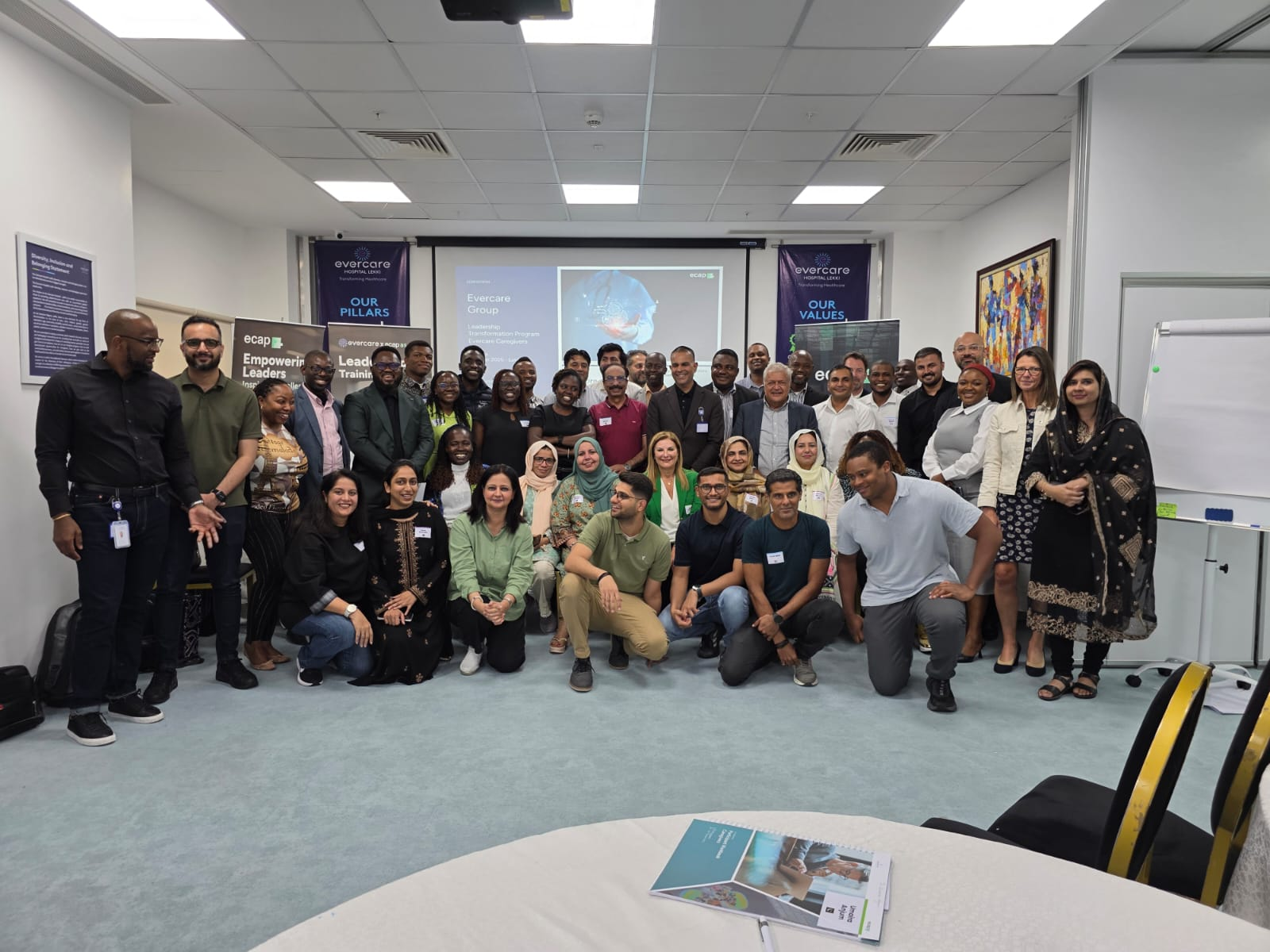
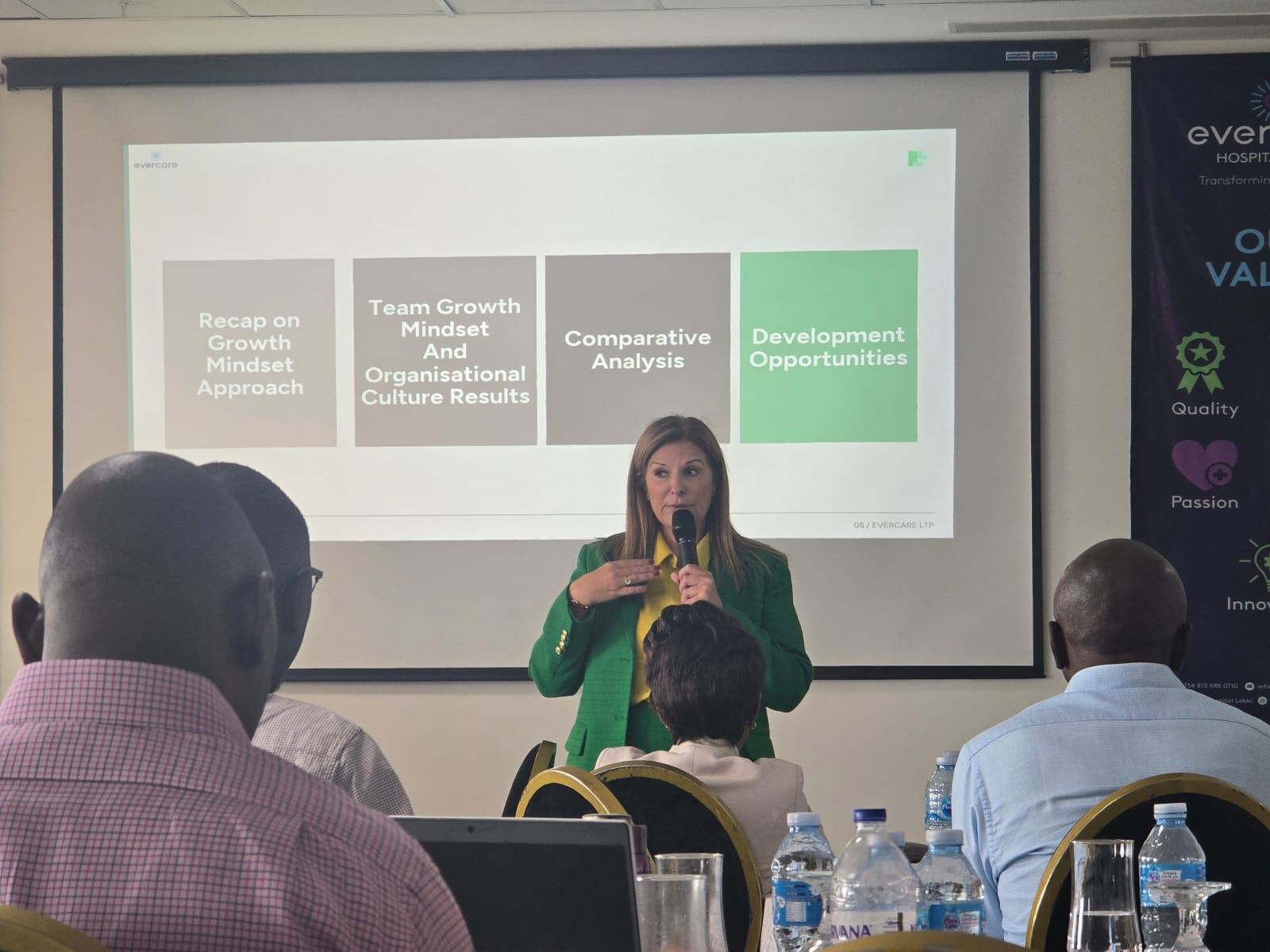
Evercare Group used this Model for N1 and N2 leaders across countries, including premier clinicians. Their Board of Directors was aligned through assessment, coaching, and facilitation. Significant improvements followed in attitude to complexity, collaboration, attitude towards failure, feedback, and curiosity — with work on humble leadership, psychological safety, and calculated risk experimentation. Customer experience increased dramatically.
Ready to explore a Growth Mindset transformation for your organisation? Let’s discuss fit, scope, and timing.
Testimonials
Leaders have undergone a complete transformation. Their boldness and leadership have truly shone. The changes are visible, and they became bold leaders! The whole organization has benefited from their development.
This leadership journey has been truly life-transforming for me — not incrementally, but profoundly. Through coaching, training, and experience, I gained clarity, confidence, and a deeper understanding of leadership that goes beyond titles and outputs into presence, psychological safety, and impact.
Working with Maria through this leadership journey has been truly transformational. Her approach anchors leadership in humanity, enabling growth that is both personal and professional. This experience has significantly reshaped how I lead, communicate, and show up every day.
Learning & Development Programmes
Practical leadership development that creates measurable business impact.
Learning is most effective when people can immediately apply new knowledge in their everyday work. Every programme is designed around organisational priorities, helping leaders and teams strengthen the capabilities required to perform, collaborate, and lead effectively. Programmes are tailored across industries and leadership levels.
Topics include
- Leadership Development
- Emotional Intelligence
- Trust-Based Leadership
- Coaching Skills for Leaders
- Leadership Presence
- Strategic Thinking
- Communication Skills
- Influencing Without Authority
- Conflict Management
- Feedback Conversations
- Change Leadership
- Team Collaboration
- Resilience & Wellbeing
Suitable for
- Corporate Academies
- Leadership Programmes
- Graduate Development
- Middle Management
- Senior Leadership Teams
- Public & Private Sector Organisations
What to expect
Participants leave with practical skills they can immediately apply to improve leadership effectiveness, strengthen collaboration, and deliver stronger business results.
Looking for a programme tailored to your academy, leadership pipeline, or transformation agenda? Let’s design it together.
Testimonials
Maria is a brilliant HR professional with a strong can-do attitude. Her local and international expertise was evident in how she approached tasks, managed diverse groups, and addressed challenges. She continually delivered high results and received highly positive feedback from training participants.
Maria designed and delivered impactful leadership development programmes that increased self-awareness, strengthened leadership capabilities, and supported employees in their professional growth. Her work had a lasting positive impact on individuals and the wider organisation.
Participants rated Maria’s facilitation exceptionally highly — 4.8/5 for clear and engaging presentation, 4.9/5 for creating a safe learning environment, and 4.8/5 for connecting learning to real leadership challenges. Many described leaving with renewed commitment to apply their learning and inspire others.
Team Effectiveness & Culture Transformation
Building teams that collaborate, innovate, and achieve exceptional results.
Strong organisations are built on strong teams. This service helps organisations strengthen trust, improve communication, align leadership, and create cultures where people work together effectively toward shared goals.
Maria’s certifications in 360° Systemic Team Coaching and Team & Organisational Growth Mindset enable assessment and enhancement of team effectiveness, leadership capability, and organisational performance.
The 360° Systemic Team Coaching approach helps teams understand how they work together, how they are perceived by key stakeholders, and how they can improve collaboration, communication, trust, and collective impact — focusing not only on internal dynamics but also on the value the team creates for the wider organisation.
Through the Team & Organisational Growth Mindset framework, mindsets that influence performance, learning, innovation, and leadership effectiveness are assessed — enabling more resilient, adaptable, and high-performing teams.
We support organisations with
- Executive Team Development
- Team Alignment
- Communication
- Conflict Resolution
- Trust Building
- Cross-functional Collaboration
- Psychological Safety
- Virtual & Hybrid Teams
- Multicultural Teams
- Organisational Culture
The approach
Assessment tools, evidence-based diagnostics, and reflective practices create awareness, build psychological safety, and help teams identify key development priorities. Through team coaching and one-to-one executive coaching for team leaders, teams improve effectiveness, strengthen collaboration, shift behaviours and culture, and maximise individual and collective performance.
What to expect
- Greater trust
- Improved communication
- Stronger collaboration
- Better decision-making
- Increased accountability
- Higher employee engagement
- Stronger organisational culture
Whether you need executive team alignment or a broader culture shift, we can design an engagement around your goals.
Testimonials
The coaching program enabled me to break down and better understand the core principles of leadership behaviours and personal leadership branding. It also supported me in navigating the complexities of our business environment, where multiple stakeholders across different geographies bring diverse perspectives and interests. Maria played a key role in guiding me through my development areas.
The team evaluated the Team Coaching programme 4.8 out of 5. Through the coaching process, the team developed greater self-awareness and identified clear development priorities — resulting in improved collaboration, more effective communication, and stronger partnerships within the team and across departments.